
April 9, 2026
When Is the Right Time to Replace a Missing Tooth?
Losing a tooth is common — whether due to decay, gum disease, trauma, or a failed previous restoration.

.png)
Losing a tooth is common — whether due to decay, gum disease, trauma, or a failed previous restoration.
When Is the Right Time to Replace a Missing Tooth?
Losing a tooth is common — whether due to decay, gum disease, trauma, or a failed previous restoration.
One of the most important questions patients ask is:
“When is the right time to replace a missing tooth?”
The timing of replacement can have a significant impact on bone health, treatment complexity, and long-term outcomes.
Why Timing Matters
After a tooth is lost, the surrounding jawbone begins to shrink naturally.
This can lead to:
The most rapid bone loss usually occurs in the first 6 to 12 months after tooth loss.
Delaying replacement for too long can make future treatment:
Early vs Delayed Replacement
The ideal timing depends on several factors, including:
Some teeth can be replaced immediately or shortly after extraction.
Others require a short healing period before replacement.
There is no single “correct” time for everyone — but there is an optimal time for each patient.
What If a Missing Tooth Is Not Replaced?
Leaving a gap untreated can result in:
What begins as a single missing tooth can gradually affect the stability of the entire bite.
Is It Ever Too Late?
It is rarely too late to replace a missing tooth — but longer delays may mean:
Earlier assessment usually allows for simpler, more predictable care.
In Summary
The right time to replace a missing tooth is:
Early advice does not mean rushed treatment — it means better planning and better outcomes.
Thinking about replacing a missing tooth?
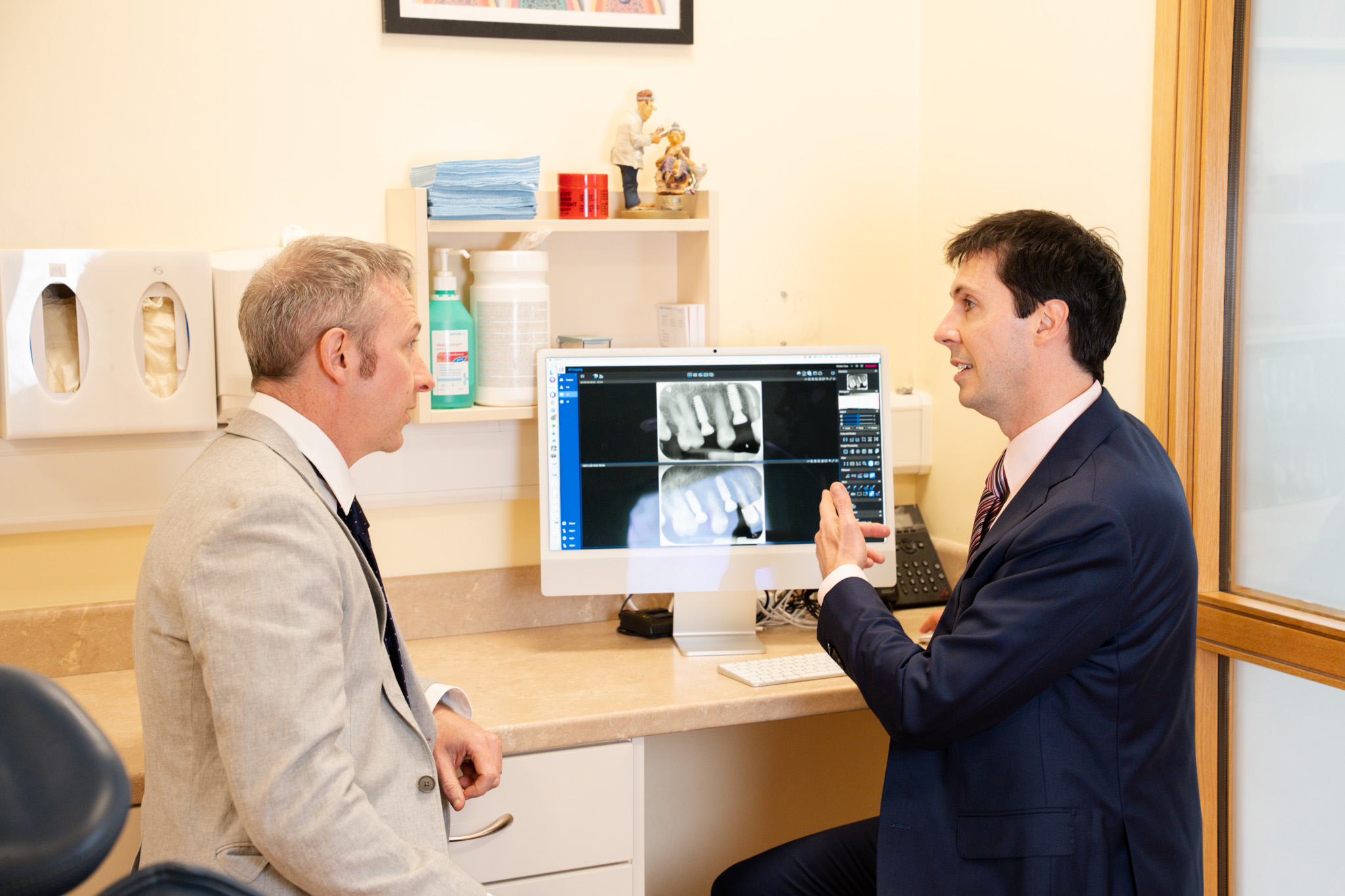
The first step is a comprehensive implant assessment. This includes 3D imaging of your jaw, digital scans of your teeth, and a detailed discussion with our implant coordinator and clinical team.
This allows us to determine whether replacement is recommended in your case, to assess the timing of treatment, and to plan your care safely and predictably before any treatment decisions are made.
Dental Implants @ Northern Cross provides structured implant assessments designed to support careful planning, risk assessment, and long-term success.
Arrange your implant assessment to discuss your options in detail.